Interesting Finds — 2026-09-11
Five notes: RTX Spark AI PCs, the Dime headset mystery, building too much, Runway's realtime worlds, and an anti-hallucination startup.
Five notes: RTX Spark AI PCs, the Dime headset mystery, building too much, Runway's realtime worlds, and an anti-hallucination startup.
Five notes: the Astra recurrent-depth safety fight, agentic video in Gemini, the abliteration business question, DLSS 5 perception splits, and the Fed watching token prices.
A tiny living water droplet built with GPT-6 Astra — soft-body physics, WebGPU refraction, and procedural audio.

A manager loop running Muse Spark built a complete small game in a single 24-minute run. The structure did the work, not the spend.
Five notes: an SSH fighting game with a bot league, Muse Spark 1.3, the Muse superapp leak, test-time training as a scaling axis, and Meta's organizational second brain.
OpenAI's largest training run ships with critical-rated cyber capability, looped computation that weakens chain-of-thought monitoring, and task-based pricing pressure.
A one-line normalization of LoRA's A matrix restores balanced early gradients, faster convergence, and mergeability without extra parameters.
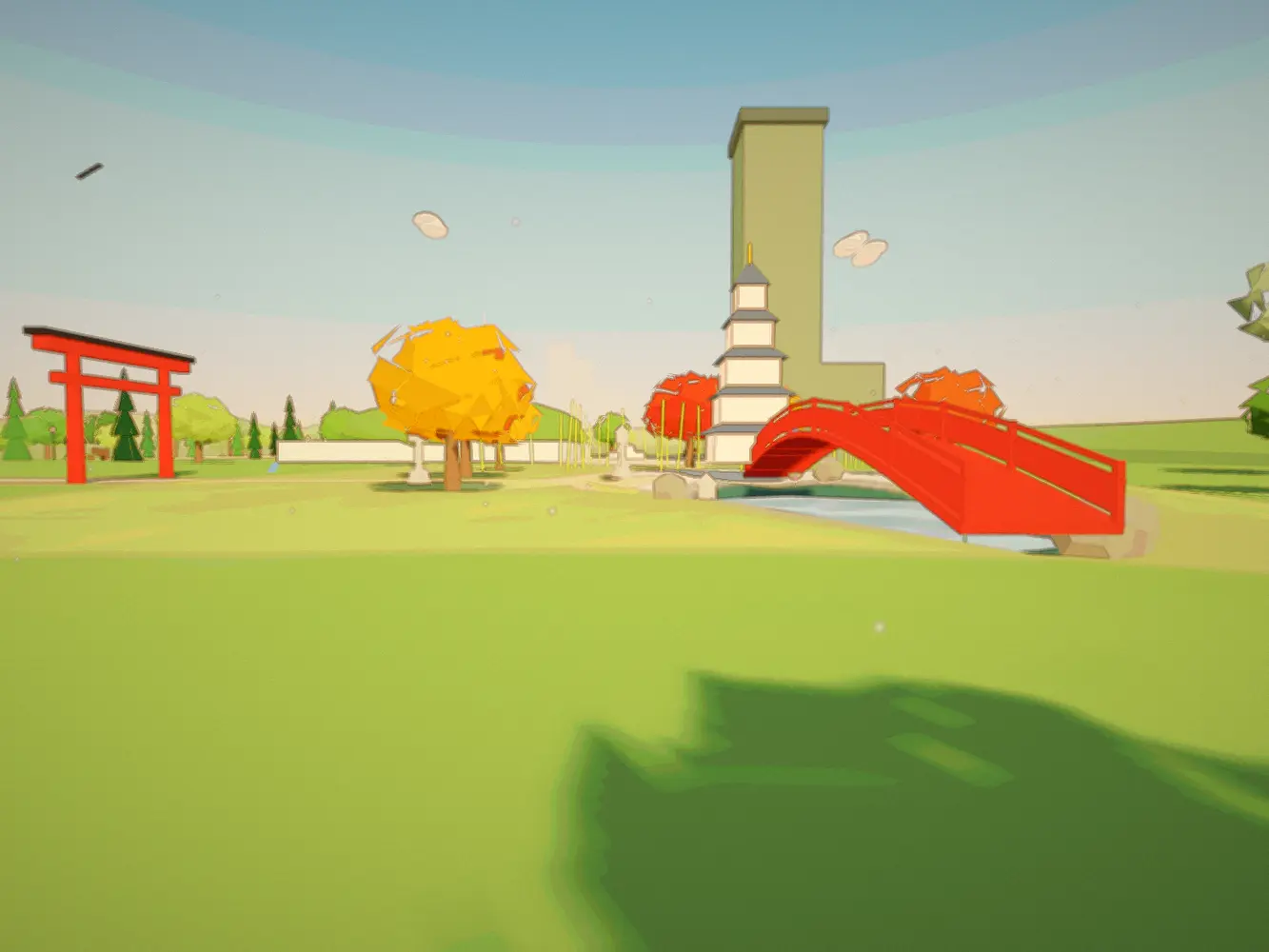
The same Golden Gate Park Three.js prompt across several models, with the artifact, one-shot result, wall time, and run harness kept together.
25% cheaper cache reads, 60% fewer cyber false positives, and early lab-validated science from a model that ships as two permissions, not two capabilities.
Multimodal MoE with GDN+QSA attention, gated residual, n-gram embedding, and Muon — an open-weight preview of the Qwen4 line.
First natively multimodal in the GLM-5 line. 45 layers, hybrid linear-sparse attention with IndexPool, and Manifold-Constrained Hyper-Connections — MIT weights that stay local-feasible.
Four notes from the feed: an experimental vision model, a free agentic model window, CUDA on RISC-V, and a Linux utility for Logitech hardware.
Diffusion for language, skill-aware RL, explorative modeling, looped MoEs, and a map of 733k papers.
Sleep for hybrids, aggressive diffusion decoding, AI-found test-time controllers, a virtual cell, a DeepSeek J-Space report, and PagedAttention explained.
Meta's Hatch and Watermelon, Perplexity's local-first Portable Computer, Figure's Index dataset, Amazon's automated last mile, Jetson Orin Nano 2, and Keenable's knowledge index.

Google DeepMind finetunes Gemma 4 into a discrete diffusion model that generates around 20 tokens per forward pass.
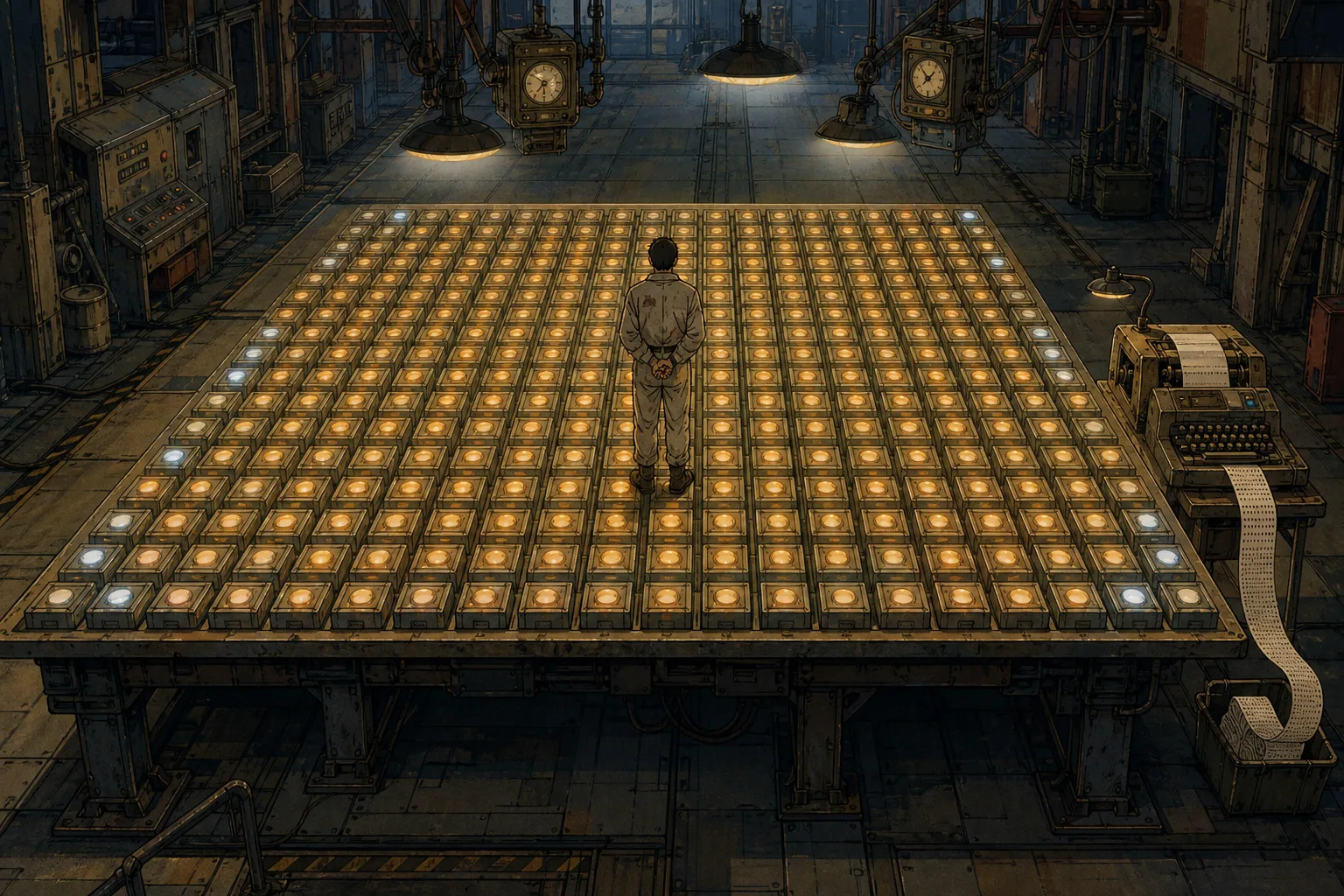
One setting keeps speculative decoding fast from 1 to 256 concurrent users by skipping low-confidence drafts when the GPU is busy.
27 billion dense, native vision-language, 262K to 1M context. Hybrid linear attention in a deployable package.
Meta distilled Spark for the workshop — a 30B model that runs locally and keeps the job on the bench.

13.5 million GitHub Copilot sessions show what happens after you press enter.

Google DeepMind open sourced its most accurate weather model. The mechanism is simpler than it looks.